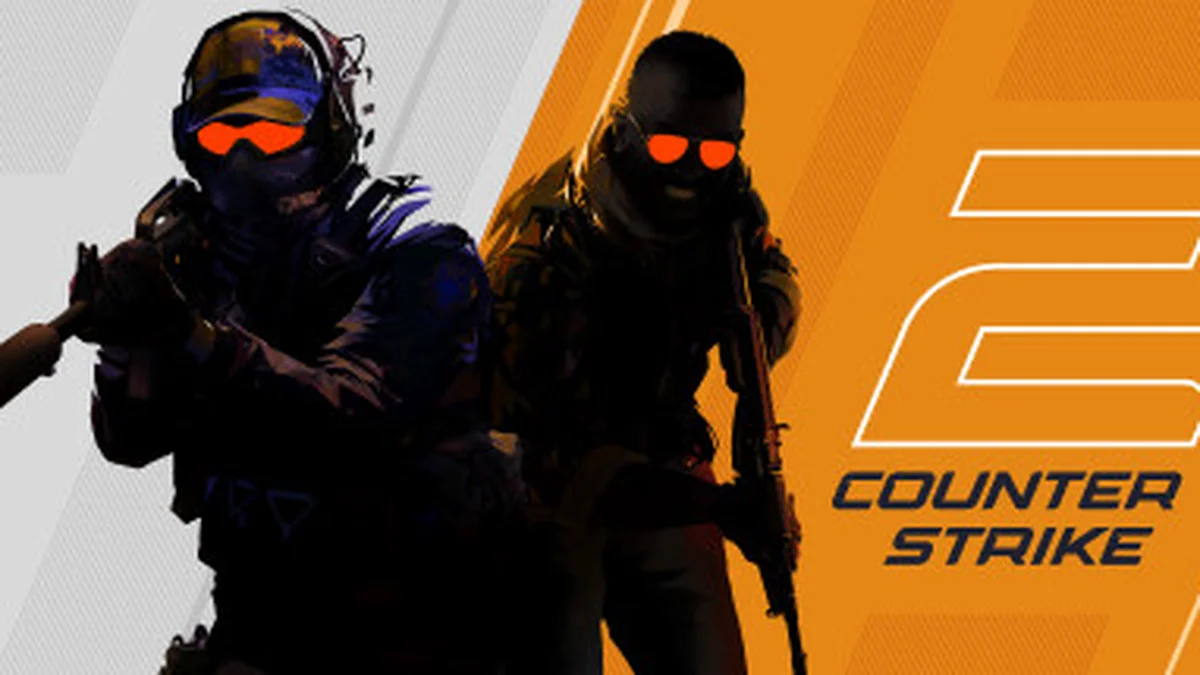
Counter-Strike has always thrived on huge stakes and bigger drama, and this month delivers both in a big way. The Esports World Cup’s Counter-Strike 2 competition is underway, running from August 12 through August 23, and it carries a distinction that even Valve’s own Major championships cannot claim this year, the single largest prize pool on the entire CS2 calendar.
The Biggest Check in Competitive Counter-Strike
With a $2 million prize pool up for grabs and 32 teams competing for a share of it, the Esports World Cup’s Counter-Strike leg has positioned itself as the financial centerpiece of the 2026 competitive season. That figure edges out even the Valve-sponsored Majors, which have traditionally been considered the sport’s crown jewel events despite typically offering smaller total payouts than some of the independently organized tournaments that have sprung up around the broader esports ecosystem in recent years. For organizations and players alike, that kind of money on the table changes the calculus around roster decisions, practice intensity, and how seriously teams treat what might otherwise be considered a mid-season event on the broader calendar.
A Crowded Summer Calendar
The Esports World Cup did not arrive in a vacuum. Just days before it began, BLAST Bounty Summer 2026 wrapped up its run from July 30 through August 2, meaning the very best Counter-Strike rosters in the world have been asked to operate at peak performance across back-to-back marquee events with barely any downtime in between. That kind of condensed scheduling has become increasingly common as the competitive scene has grown more crowded with third-party organizers all competing for player attention and broadcast rights, and it puts real strain on teams trying to balance practice time, player health, and travel logistics across a packed summer stretch. Whether that scheduling crunch shows up in the quality of play at the Esports World Cup remains to be seen, but it is exactly the kind of storyline that tends to bubble up in post-match interviews and analyst desks once the group stage gets underway.
What Makes This Tournament Worth Watching
Beyond the raw prize money, the sheer scale of the field, 32 teams deep, means the Esports World Cup functions almost like a snapshot of the entire competitive Counter-Strike ecosystem at a single moment in time, pulling in top-tier rosters from every major region rather than the smaller, more curated fields typical of some other events. That format tends to produce more first-round upsets and unpredictable bracket paths than tighter invitational tournaments, since lower-seeded teams get a real shot at knocking off favorites early rather than facing them only in a hypothetical later round. For fans, that unpredictability is part of the appeal, and it gives the event a different texture than the more predictable elimination structures typical of smaller-field tournaments.
As the tournament progresses through its group stages and into the playoff bracket, expect plenty of chatter about how the record-setting prize pool is reshaping incentives across the competitive scene, and about whether events organized outside Valve’s own Major structure are starting to genuinely rival, or even surpass, the prestige that Majors have held for the better part of a decade. Whatever the outcome, the Esports World Cup has cemented itself as an event competitive Counter-Strike fans cannot afford to ignore this August.