
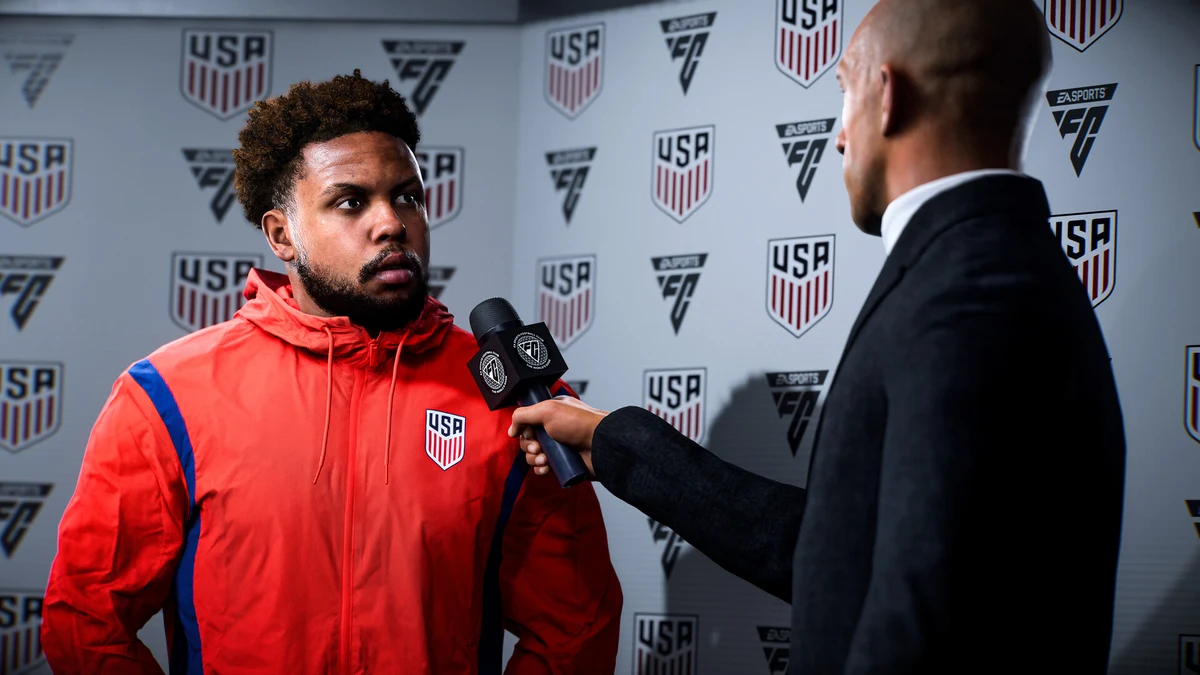
Career Mode is where EA Sports FC 26 slows down and lets you actually build something over time, whether that’s a single player’s rise from academy prospect to club legend or a multi-season rebuild of an entire football club. It’s also the mode with the most moving parts once you dig past the surface: two entirely different career paths, a reworked youth academy, a more dynamic manager job market, and transfer negotiations that punish sloppy planning. This guide breaks down both paths and the systems that make Career Mode click.
For a broader look at everything new in the game this year, our complete EA Sports FC 26 guide has the full rundown, and if you’re still deciding which overall mode suits you, our EA FC 26 beginner’s guide is a good place to start.
Player Career vs. Manager Career: Which Should You Play?
Player Career: Live One Footballer’s Story
Player Career puts you in the boots of a single footballer and lets you control only that player during matches, while the AI handles your teammates. This year you can start as a young player freshly promoted from your club’s academy, or — new for FC 26 — follow a dedicated goalkeeper storyline with its own narrative arc, a first for the mode.
Player Career is built around Archetypes, preset builds like Finisher, Creator, Boss, Target Striker, or No Nonsense Defender that shape your attribute growth and unlock specific PlayStyles as you progress. Picking an Archetype that matches your actual on-pitch tendencies matters more than picking the flashiest one — a well-rounded Balanced Midfielder Archetype will often serve you better early on than a hyper-specialized build you haven’t grown into yet.
This path is best for players who want: – A narrative-driven experience focused on one character’s rise – Simpler, more focused gameplay since you only control one player – The new goalkeeper story path if you’ve never played in goal before
Manager Career: Run the Whole Club
Manager Career puts you in charge of every decision at a club: transfers, tactics, training, finances, youth development, and matchday management. It’s the deeper, more systems-heavy path, and FC 26 has added real weight to it this year.
Headline additions include Manager Live Challenges — bite-sized, real-world-inspired scenarios that drop into your save — a more dynamic Manager Market where you can genuinely be poached by a bigger club or sacked for poor results, and the ability to unlock and field ICONs and Heroes within Manager Career for the first time.
This path is best for players who want: – Full control over squad building, tactics, and club direction – A long-term project that spans transfer windows and multiple seasons – The strategic layer of scouting, youth development, and finances alongside matchday
Quick Comparison
| Factor | Player Career | Manager Career |
|---|---|---|
| Control | One player only | Entire club and squad |
| Focus | Personal narrative and growth | Club-wide strategy and results |
| New FC 26 feature | Dedicated goalkeeper story path | Manager Live Challenges, dynamic Manager Market, ICONs/Heroes |
| Best for | Players who want a focused, story-led experience | Players who enjoy management, transfers, and long-term building |
Tips for Managing a Club in Manager Career
Set Realistic Expectations With the Board
Every job comes with expectations tied to league finish, cup runs, and player development. Before accepting a role, check what the board actually wants — a mid-table club chasing a top-half finish is a much safer landing spot early on than a giant expecting immediate silverware.
Use the Manager Market to Your Advantage
Because the Manager Market is more dynamic this year, performing well can genuinely attract offers from bigger clubs, while poor form can get you sacked even mid-season. Treat every save like your job is actually on the line — it keeps results meaningful and makes success feel earned rather than scripted.
Don’t Neglect Training and Tactics Between Matches
It’s tempting to simulate through training sessions, but setting a consistent training focus for your squad — and adjusting it around fitness and form — has a real impact on player development and match sharpness over a season. Pair this with tactics that suit your existing squad rather than forcing a system your players aren’t built for.
Take Advantage of Manager Live Challenges
The new Live Challenges drop real-world-inspired scenarios into your save. They’re a good way to break up the routine of a long season and often come with useful rewards, so it’s worth checking in on them regularly rather than only during major transfer windows.
Transfer Market Strategy
- Scout before you spend. Use in-game scouting reports to confirm a target’s attributes and potential rather than buying purely off reputation.
- Negotiate wages and fees separately. A club with a limited transfer budget can sometimes still land a target by offering better personal terms, and vice versa.
- Time your business around the calendar. Prices and player availability shift throughout the season — clubs are often more willing to sell out-of-favor players in January than in the middle of a title race.
- Balance immediate needs with academy pipeline. Don’t buy a player in every position every window. If your youth academy has a prospect close to ready in a certain role, give them minutes instead of blocking their path with a new signing.
- Use loans strategically. Both for offloading squad players who need games elsewhere and for bringing in affordable short-term reinforcements without committing to a full transfer fee.
Getting the Most From the Youth Academy
The youth academy has had a real facelift in FC 26, and it’s worth engaging with directly rather than treating it as a background system.
- Scout up to four positions and three distinct Player Roles within the academy at once, letting you target specific gaps in your squad rather than just taking whichever prospect turns up.
- Send prospects to bimonthly Youth Academy tournaments to develop them, and take advantage of the new ability to make substitutions during these tournaments — rotating minutes gives more players match experience, which accelerates development.
- Two new youth stadiums — a basic tier and a top tier — connect your academy’s facilities more directly to your club’s overall stature, so investing in club infrastructure has a knock-on benefit for youth development.
- Decide early whether to promote or trade academy graduates. A prospect who isn’t going to get first-team minutes at your club is often better sold or loaned out than left to stagnate in the reserves.
If you want specific real-world names to target for your academy or transfer business, our guide to the best young players and wonderkids in FC 26 covers the top prospects by position and potential rating.
Frequently Asked Questions
Q: Which is better for beginners, Player Career or Manager Career? Player Career is generally the gentler starting point since you’re only responsible for one player’s performance. Manager Career has more systems to learn at once — transfers, tactics, finances, and youth development — but it’s more rewarding for players who enjoy strategy.
Q: Can I get sacked in Manager Career mode in FC 26? Yes. The Manager Market is more dynamic this year, meaning consistently poor results can get you sacked, while strong performances can attract offers from bigger clubs.
Q: What’s new about the goalkeeper path in Player Career? FC 26 introduced a dedicated goalkeeper storyline for the first time, giving keepers their own narrative arc rather than treating the position as an afterthought within Player Career.
Q: How important is the youth academy compared to buying players on the transfer market? Both matter, but the academy is significantly deeper this year with expanded scouting options and tournament substitutions. A well-run academy can reduce how much you need to spend on the transfer market over a long save.
Q: Do Archetypes affect Manager Career or only Player Career? Archetypes are primarily a Player Career and Clubs feature, shaping how your created pro’s attributes and PlayStyles develop. In Manager Career, your focus instead is on training, tactics, and squad-wide development rather than a single Archetype.
The Bottom Line
Career Mode is built for players who want their decisions to matter over the long haul, whether that’s steering one player’s rise through a fresh goalkeeper storyline or rebuilding an entire club through smart transfers and a well-managed youth academy. Pick the path that matches how much control you want, then lean into the systems FC 26 has deepened this year — the Manager Market, Live Challenges, and youth academy scouting all reward players who actually engage with them rather than simulating through. For more on which prospects to target, see our best young players and wonderkids guide, and check our complete EA Sports FC 26 guide for everything else new this season.

[…] EA FC 26 Career Mode Guide: Player vs Manager & Tips (ESRB E) EA FC 26 Ultimate Team Tips: Chemistry, Trading & Squads (ESRB E) Builder Base Guide: How It Differs From the Main Village (ESRB E10+) Clair Obscur: Expedition 33 Review (ESRB M) […]