Fifty-three heroes, three roles, destructible buildings, characters who can fly, teleport, or turn into a puddle of symbiote goo — Marvel Rivals throws a lot at you the moment you finish the tutorial. If your first few matches felt like being handed the keys to a spaceship with no manual, you’re not alone. This guide covers exactly what you need to know before your next queue: how the roles work, what actually happens during a match, and the habits that separate players who climb from players who bounce off the game after a weekend.
If you want the full picture beyond the basics — hero tier lists, map breakdowns, and season-by-season meta shifts — our complete Marvel Rivals guide is the hub for all of that. Think of this article as the on-ramp.
What Makes Marvel Rivals Different From Other Hero Shooters
If you’ve played Overwatch or Valorant, some of this will feel familiar — six-on-six team fights, ultimate abilities, objective-based maps. But a few things set Marvel Rivals apart, and they matter for how you approach your first matches:
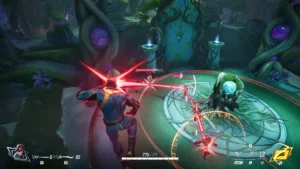
- Destructible environments. Walls, pillars, and entire building facades can be blown apart mid-fight, which opens new sightlines and escape routes on the fly. A choke point that worked two minutes ago might not exist anymore.
- Verticality is a core skill, not an optional one. Characters like Storm, Iron Man, and Spider-Man fly, wall-crawl, or swing across the map. Fights happen above your head as often as in front of you, so get in the habit of checking upward.
- Team-Up abilities. Certain heroes gain bonus effects when paired with specific teammates — think Hulk and Doctor Strange combining for a portal smash, or Rocket Raccoon boosting Peni Parker’s mech. We break this system down in detail in our Team-Up abilities guide, but just know going in that your hero picks aren’t made in isolation from your team’s.
- A genuinely massive, still-growing roster. With The Hood joining as the Season 9.5 mid-season hero, the roster now sits at 53 playable characters. Nobody expects you to know every kit on day one.
The Three Roles: Vanguard, Duelist, Strategist
Every hero in Marvel Rivals falls into one of three roles, and understanding what each one is supposed to do is the single biggest thing that separates a coordinated team from six people randomly clicking on the enemy.
Vanguard
Vanguards are the tanks. They carry the largest health pools, they’re built to soak up damage at the front of the fight, and their abilities usually create space — shields, walls, knockups, or just being a giant blue rage monster that’s annoying to kill. A good Vanguard isn’t just standing in the doorway; they’re deciding when the team pushes and when it falls back.
Duelist
Duelists are your damage dealers. This is the largest role by hero count, and it covers everything from precise hitscan shooters like Hawkeye to hyper-mobile divers like Spider-Man and Star-Lord. Their job is straightforward on paper — eliminate the enemy team — but positioning matters more than raw aim in a lot of matchups, since diving too early without support gets you punished fast.
Strategist
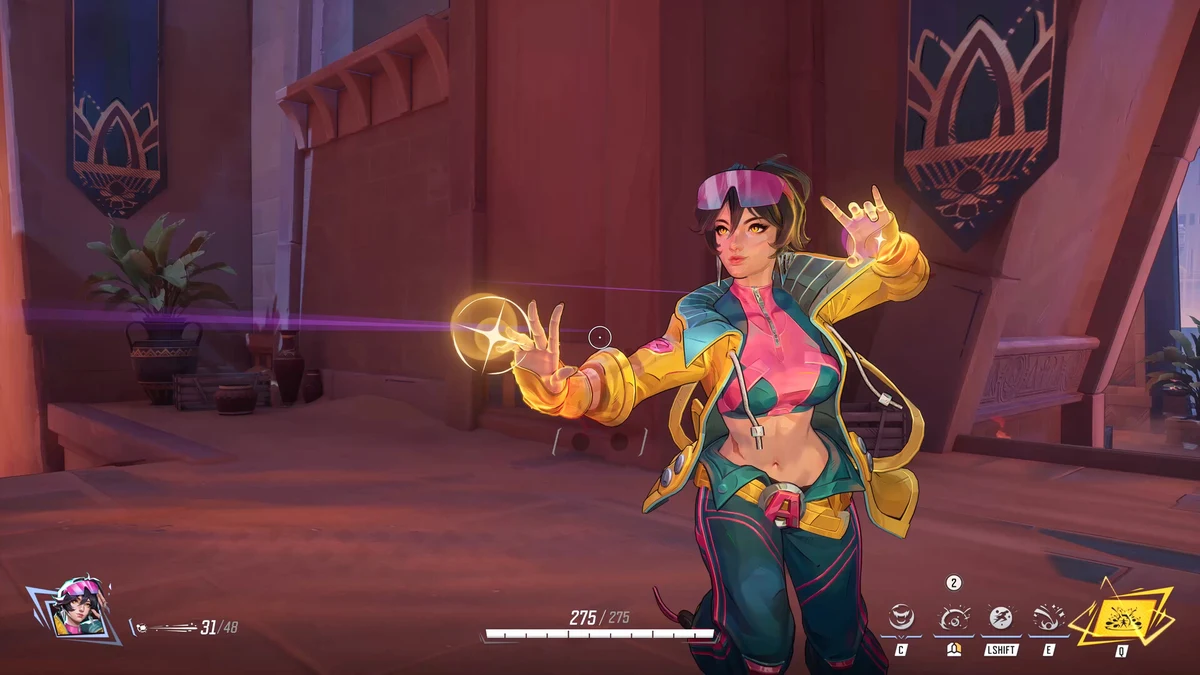
Strategists are the support role: healing, damage buffs, crowd control, and utility that keeps the other two roles alive long enough to do their jobs. Don’t mistake “support” for “passive,” though — several Strategists, like Scarlet Witch’s healing counterpart heroes or Cloak & Dagger, can also deal real damage or lock down enemies with debuffs.
| Role | Primary Job | Typical Team Comp | Playstyle Feel |
|---|---|---|---|
| Vanguard | Absorb damage, create space, initiate fights | 1–2 per team | High health, front line, tempo control |
| Duelist | Secure eliminations, apply pressure | 2–3 per team | Aim or mobility focused, high skill ceiling |
| Strategist | Healing, utility, crowd control | 2 per team | Positioning and target prioritization |
If you’re not sure which role fits your playstyle, our best heroes for beginners guide breaks down the easiest hero in each role to actually pick up and start winning with.
How a Match Actually Flows
Here’s the rundown from queue to victory screen, especially useful if you’re coming from a different shooter and expecting things to work the same way.
- Queue and mode select. Quick Match is unranked and forgiving — this is where you should be learning new heroes. Competitive uses the full ranked ladder, which we cover in our rank system explained guide.
- Hero select. Unlike some hero shooters, Marvel Rivals lets you swap heroes throughout the match, not just at the start. If your Vanguard is getting deleted by an enemy Punisher, you can switch to a hero better suited to counter that threat mid-match.
- Team-Up check. Before you lock in, glance at your team’s picks. If a teammate is on a hero with a strong Team-Up partner, hopping onto that partner hero can unlock bonus effects for both of you.
- The objective. Marvel Rivals rotates between a few core competitive modes: – Convoy — one team escorts a payload across the map while the other defends. – Domination — both teams fight over a central point that has to be held to 100% capture. – Convergence — a hybrid: capture a point first, then escort a vehicle through checkpoints, which heavily favors the attacking side once it gets moving.
- Rounds and overtime. Most modes are best-of-however-many-rounds-it-takes to reach the win condition, and matches can extend into overtime if a team is contesting the objective when time runs out.
- Ultimates and Team-Ups win fights. Coordinated ultimate combos — stacking multiple hero ultimates in the same window — decide the vast majority of close matches, so pay attention to enemy ultimate charge as much as your own.
Tips for New Players
- Spend real time in Quick Match before touching Competitive. Ranked points matter less than knowing your kit doesn’t get you.
- Use the Practice Range. It sounds obvious, but most players skip it and then wonder why they can’t land Hawkeye’s arrows in a live match.
- Learn two or three heroes deeply rather than twenty shallowly. You don’t need to master the whole roster — you need reliable picks in each role so you’re never stuck playing something you’ve never touched.
- Watch your team composition, not just your own scoreboard. A team with zero Strategists is going to lose fights it should win. If nobody’s healing, that’s your cue.
- Use the ping system constantly. Calling out flankers, low-health targets, and enemy ultimates does more for your win rate than an extra frag.
- Read patch notes. Marvel Rivals balances aggressively every season and mid-season, and a hero that felt weak two patches ago might now be one of the best picks in the game.
- Don’t panic-swap every death. One bad fight doesn’t mean your hero is broken — give it a few engagements before deciding to switch.
Common Mistakes New Players Make
A few habits show up constantly in low-rank matches, and fixing them tends to matter more than any single hero pick:
- Solo-diving without a Team-Up or a Strategist watching your health. Isolated picks feel great when they land and disastrous when they don’t. Wait for support before committing.
- Ignoring the objective in favor of kills. Marvel Rivals is won and lost on Convoy progress and Domination percentage, not scoreboard stats. A team that’s “winning” the fight but standing off the point is still losing the match.
- Forgetting that heroes can fly, wall-climb, or teleport in. New players often clear a room and relax, forgetting a Spider-Man or Iron Man can reach angles that don’t exist in flatter shooters.
- Never checking the enemy’s ultimate charge. Ultimates in Marvel Rivals hit hard enough to flip a fight instantly — glancing at enemy ultimate status before pushing in is a habit worth building early.
- Staying silent. Even without a mic, the ping wheel communicates enough to change the outcome of a fight. Use it.
Frequently Asked Questions
Q: Is Marvel Rivals free to play? Yes. Marvel Rivals is free to play on PC and consoles, with revenue coming from cosmetic skins and battle passes rather than pay-to-win mechanics.
Q: How many players are in a match? Standard competitive and quick play matches are 6v6, split across Vanguard, Duelist, and Strategist roles.
Q: Do I need to master every hero to be good? No. Most competitive players have a pool of five to eight heroes they’re genuinely comfortable on, covering at least two roles, rather than deep knowledge of all 53.
Q: What’s the fastest way to improve as a beginner? Play Quick Match to build hero fundamentals, spend time in the Practice Range for aim and cooldown timing, and pay close attention to what separates your losses from your wins — usually it’s positioning and team-fight timing, not mechanical skill.
Q: Should I play ranked right away? It’s not required, but doing your placement matches early isn’t a bad idea either — just go in with heroes you’re already reasonably comfortable on rather than heroes you’re still learning.
The Bottom Line
Marvel Rivals rewards players who understand the shape of a fight, not just their aim. Get comfortable with your role, learn how the objective modes actually play out, and build a small hero pool you trust. From here, check out our best heroes for beginners guide to find your first main, or head to our complete Marvel Rivals guide for deeper coverage of the current meta, maps, and everything else you’ll want to know as you climb.