Nintendo has a well-earned reputation for holding its prices longer than any other major gaming platform. First-party titles routinely stay at or near full price for years after release, which makes deal-hunting on the eShop a different exercise than on Steam, PlayStation, or Xbox. That said, real discounts do exist — they’re just less frequent, less deep on Nintendo’s own games, and worth understanding on their own terms rather than expecting Steam-style seasonal sales.
Why Nintendo Games Rarely Go on Sale
Nintendo’s first-party titles are famous for holding their value: games can remain close to launch price for years, and even older evergreen titles like entries in the Mario Kart or Zelda franchises rarely see steep permanent markdowns. This is largely a deliberate publisher strategy — Nintendo controls a tighter first-party catalog than Sony or Microsoft and has less competitive pressure to discount, since its exclusives aren’t available anywhere else. Third-party games on the eShop behave much more like the rest of the industry and do see regular, often steep, discounts, so the “Nintendo never discounts” reputation applies far more to first-party titles than the eShop catalog as a whole.
The Nintendo eShop Sale Calendar: What Patterns Exist
Nintendo doesn’t publish a fixed seasonal calendar the way Steam does, but recognizable sale windows still show up: a notable sale around the winter holiday period, periodic sales tied to specific franchises or anniversaries, and broader storewide sales such as a summer sale that can run for roughly two weeks and cover thousands of discounted titles across both Switch and Switch 2. What makes these events notable is less their frequency and more when Nintendo occasionally discounts its own first-party games alongside the usual glut of third-party discounts — something the company does sparingly enough that it draws attention whenever a mainline Zelda, Mario, or Fire Emblem title appears in a sale. Outside of these broader storewide events, individual publishers run their own promotions on the eShop fairly regularly, so third-party deals are available far more often than the first-party discount pattern would suggest.
My Nintendo Points: Gold Points vs Platinum Points
The My Nintendo rewards program has two point types, and it’s important to know that they no longer work the same way. Gold Points, which were historically earned as a percentage back on eShop purchases and could be redeemed toward future digital purchases, are no longer earned on new purchases — Nintendo discontinued the ability to earn new Gold Points as of March 2026. Any Gold Points balance earned before that cutoff remains usable until it expires (Gold Points expire roughly twelve months after they’re earned), so it’s worth checking your account for any unredeemed balance and spending it before it lapses, but don’t expect to accumulate new discount-eligible points from purchases going forward.
Platinum Points are a separate, still-active part of the program. They’re earned by completing activities like surveys, app engagement, and other promotional missions rather than by spending money, and can be redeemed for digital rewards, sweepstakes entries, or physical merchandise through the Nintendo Store — but they don’t function as a direct discount mechanism on game purchases the way Gold Points did. In practice, this means the eShop no longer has a built-in cashback-style discount program tied to purchases, making seasonal sales and third-party retail deals more important than they used to be for saving on Nintendo games.
Digital vs Physical Switch and Switch 2 Games
Physical Switch and Switch 2 cartridges are frequently discounted at retail faster and more deeply than the equivalent eShop listing, particularly for games several months past release, since physical retailers use game pricing to move inventory in ways Nintendo’s own digital storefront doesn’t. Physical copies can also be resold or traded in later, recovering some value a digital purchase never returns — a meaningful consideration given how slowly Nintendo eShop prices drop. Nintendo has also begun differentiating pricing by format for some first-party Switch 2-exclusive titles, setting the digital eShop price below the physical retail price for the same game, a structure that had already been standard in regions like Europe and Japan and has since extended to North America, Australia, and New Zealand. Where that pricing split exists, it flips the usual physical-cheaper logic for that specific title, so it’s worth checking the eShop listing directly rather than assuming physical will always be less expensive.
Switch 2 Pricing: What Changed
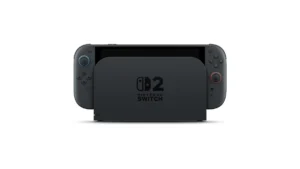
Switch 2 introduced higher price points across the board compared to the original Switch generation, with standard titles generally landing in a wider range than before and collector’s or special editions reaching well above typical launch pricing. Combined with the newer digital/physical price split on select first-party titles, Switch 2 buyers now have to check both the format and the specific game’s pricing structure rather than assuming a flat, consistent price the way earlier Switch generations largely allowed.
Regional eShop Price Differences
Like other platforms, Nintendo eShop prices vary by region based on local market pricing, but Nintendo makes region-shopping considerably harder than PC storefronts do. Switching your eShop region typically requires changing your Nintendo Account’s country setting, which has restrictions on how often it can be done and generally requires a local payment method or region-appropriate prepaid eShop card to actually complete purchases in that region. Unlike Steam, where the mechanics of regional pricing are at least well documented even if restricted, Nintendo’s system is less flexible and less forgiving of casual switching, making it a much less practical savings strategy for most shoppers compared to simply waiting for a sale or buying physical.
Where to Track Nintendo Deals
Because Nintendo doesn’t centralize its sale calendar the way Steam does, third-party Nintendo-focused price trackers are especially useful — they monitor the eShop across regions and flag when a title hits a new historical low, which is valuable given how rarely some games move off full price at all. Wishlisting on the eShop (or through a tracking site tied to your account) is still the most reliable passive way to catch third-party sales and the occasional first-party markdown without checking manually.
Third-Party Retailers and Physical Game Deals
Given how conservative Nintendo’s own digital discounting can be, physical retail is often the better hunting ground for Switch and Switch 2 deals, particularly for games a year or more past release. Retailer clearance sales, seasonal shopping events, and used game marketplaces regularly beat eShop pricing on the same titles, especially for first-party games that rarely move on the eShop itself. Checking retail pricing alongside the eShop, rather than assuming the eShop will eventually catch up, is generally the more effective strategy on Nintendo platforms.
Conclusion
Nintendo’s discounting culture is genuinely different from Steam, PlayStation, and Xbox: first-party games hold value for years, the My Nintendo Gold Points discount mechanism has been discontinued, and regional price-shopping is far more restricted than on PC. The practical strategy is to lean on third-party eShop sales (which are frequent and often steep), watch for the rare occasions Nintendo discounts its own catalog during storewide sales, check physical retail pricing as a genuine alternative rather than an afterthought, and use a Nintendo-specific price tracker so you know when a title has actually hit its real historical low rather than a token markdown.