
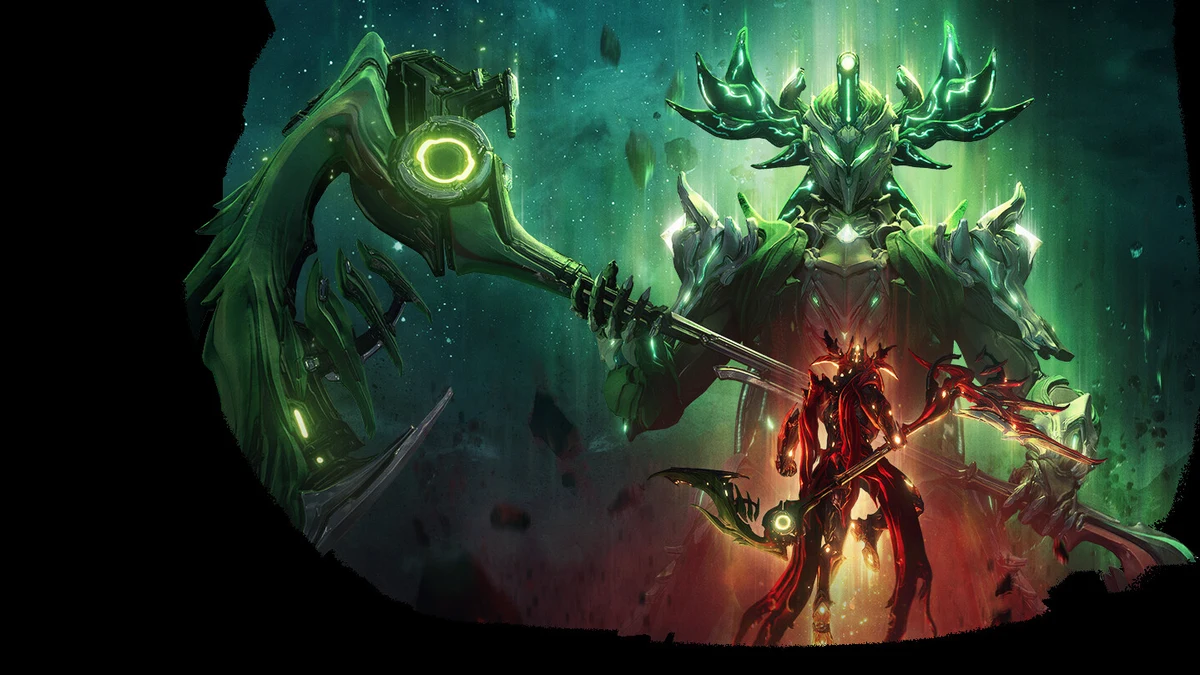
Warframe launched in 2013 to a fairly muted reception and has spent the last decade quietly becoming one of the most respected free-to-play games on PC. It still shows up reliably in Steam’s most-played charts, powered by a content cadence that few live-service games manage to sustain this long.
From Space Ninjas to a Full RPG
The original pitch — fast, acrobatic third-person combat as a squad of space ninjas called Tenno — is still the foundation, but Digital Extremes has layered an enormous amount on top of it since launch: open-world zones, a railjack space-combat mode, deep melee and gunplay overhauls, and entire side-systems like Warframe’s companion mech mode that function almost like separate games.
A Decade of Not Standing Still
What keeps Warframe’s population healthy isn’t any single feature, it’s the refusal to stop making major structural changes. Most live-service games settle into a content treadmill after a few years; Warframe has instead periodically reworked entire core systems — movement, melee combat, and its economy have all been overhauled more than once, keeping the moment-to-moment feel from going stale.
Is It Still Worth Starting in 2026?
The learning curve is real — Warframe’s systems have accumulated over more than a decade, and new players face a genuinely overwhelming amount of content. But it’s free, generous with how it lets players earn premium currency through trading, and consistently ranked among the most player-friendly monetization models in the free-to-play space.


[…] Project Zomboid Build 42 Review: The Zombie Survival Sim Gets Deeper Whiteout Survival Review: The Mobile 4X Behind $3 Billion in Spending Bodycam Review (2026): The FPS That Looks Too Real to Be a Game Warframe (ESRB T): How a 2013 Game Is Still Growing in 2026 […]