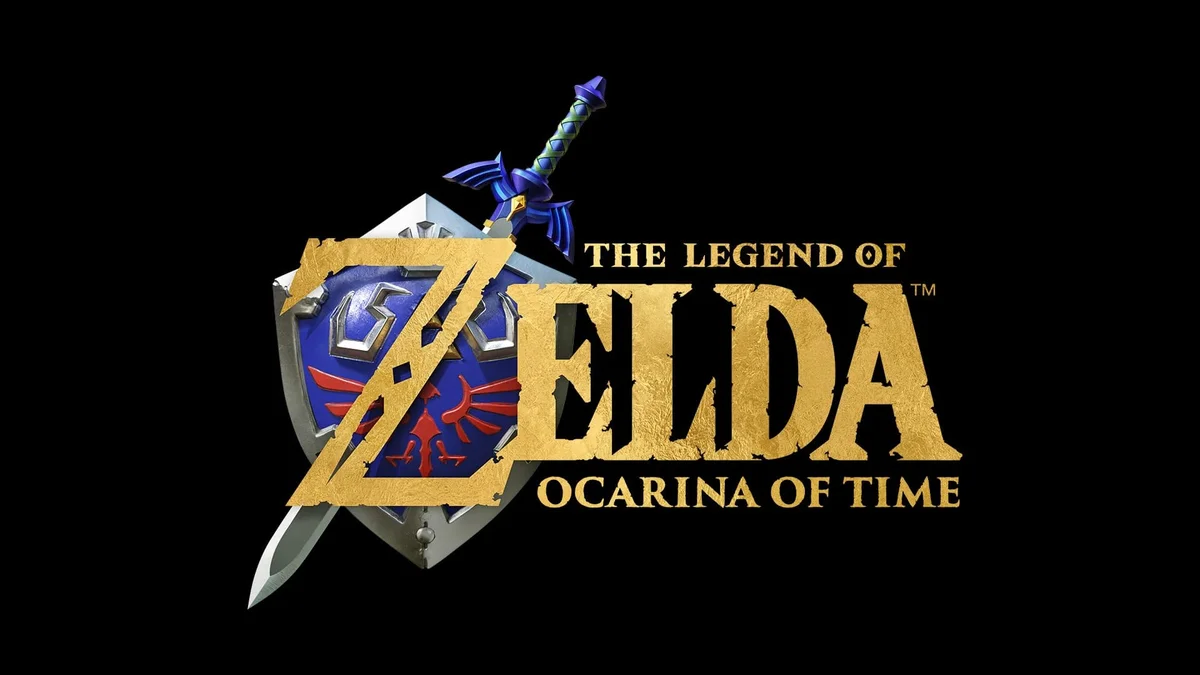
Few reveals from Nintendo’s June Direct generated as much immediate noise as the brief teaser confirming that The Legend of Zelda: Ocarina of Time is receiving a full remake for Nintendo Switch 2. The N64 classic, often cited as one of the most influential action-adventure games ever made, is being rebuilt rather than simply remastered, and the announcement instantly became one of the most discussed pieces of Nintendo news heading into the back half of 2026.
What Nintendo Has Actually Confirmed
The official description accompanying the reveal promised “stunning visuals, updated designs, and timeless gameplay,” language that signals a ground-up visual overhaul rather than a resolution bump layered over the original assets. Nintendo has committed to a 2026 release window without narrowing it further, and beyond the short teaser, the company has kept an unusually tight lid on the project. No environmental footage, combat demonstrations, or dungeon reveals have surfaced since the initial announcement, leaving fans to parse a handful of promotional stills for clues about scope and fidelity.
A New Look for Old Icons
One detail that did emerge from the teaser materials involves the redesign of two of the franchise’s most recognizable objects. Both the Master Sword and the Hylian Shield have been reworked with silhouettes that visibly draw from the aesthetic Nintendo introduced in Skyward Sword, a stylistic choice that suggests the remake team is willing to blend visual language across eras of the series rather than treating the original 1998 designs as untouchable. It is a small detail, but one that has fueled plenty of debate among fans over how far Nintendo intends to go in reimagining the rest of Hyrule, its cast, and its dungeons.
Following in the 3DS Version’s Footsteps
This will not be the first time Ocarina of Time has been revisited. Nintendo previously brought the game to 3DS in 2011 with improved controls and touchscreen functionality, a version widely regarded as a faithful, technically polished update rather than a reimagining. The Switch 2 remake appears to be aiming for something more ambitious, closer in spirit to the ground-up rebuilds Nintendo and its partners have delivered for other classic titles in recent years. Whether that means expanded environments, reworked puzzle design, or simply a modern rendering engine wrapped around the original’s structure remains an open question until Nintendo shows actual gameplay.
Given the reverence Ocarina of Time still commands nearly three decades after its original release, expectations for this remake are enormous, and Nintendo’s silence since the initial teaser has only amplified the anticipation. With a 2026 window still on the table and no gameplay shown yet, the countdown to a proper reveal is likely to remain one of the most closely watched storylines in Nintendo’s release calendar for the rest of the year.