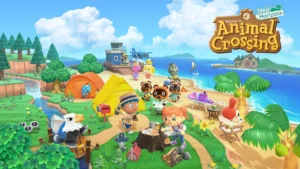

Bells are the backbone of nearly every major goal in Animal Crossing: New Horizons, from paying off Tom Nook’s loans to funding a full terraforming overhaul. Fortunately, the game gives you several legitimate, well-established ways to build up a serious Bell cushion without grinding for weeks. This guide walks through the four most effective methods: the turnip-based Stalk Market, fruit farming, and using CJ and Flick’s fishing and bug-catching events to your advantage.
The Stalk Market: ACNH’s biggest risk and reward
The Stalk Market is the game’s turnip-trading minigame, and it remains the single fastest way to generate large sums of Bells, provided you are willing to accept some risk. Every Sunday morning between 5 AM and noon, a traveling turnip seller named Daisy Mae visits your island and sells turnips for somewhere between 90 and 110 Bells each. You can buy as many as your Bells and inventory space allow.
From Monday through Saturday, you can sell those same turnips to Timmy or Tommy at Nook’s Cranny, but not on Sundays, since the shop does not buy turnips that day. Each day has two separate turnip prices, one that applies from opening until noon and a second that applies from noon until closing, and prices fluctuate constantly based on your island’s individual price pattern for that week. Typical turnip prices land somewhere between 50 and 150 Bells, but under the right pattern they can spike as high as 650 Bells, which is where the real profit comes from. The catch is that turnips spoil the following Sunday, so any unsold turnips by Saturday night become worthless, making this a genuine gamble rather than a guaranteed win.
Because price patterns can be unpredictable, many players use community-run turnip price calculators to estimate whether their current week’s pattern is trending toward a spike before deciding to hold or sell.
Fruit farming: slow to start, extremely profitable at scale
Every island has one native fruit type that grows for free and sells for a modest 100 Bells per piece at Nook’s Cranny. The real money is in non-native fruit, meaning any fruit type that is not naturally found on your island. Non-native fruit sells for 500 Bells per piece, five times the value of native fruit, with coconuts being the one exception, selling for 250 Bells regardless.
To start farming, you need to bring non-native fruit back from a friend’s island, from a mystery island tour, or through in-game trading, then plant and bury one piece to grow a new tree. Each mature fruit tree that grows from buried fruit will eventually produce three pieces of fruit, and trees regenerate fruit over time as long as you keep harvesting. Since fruit stacks up to nine pieces per inventory slot and your pockets can hold many stacks at once, a large orchard of non-native fruit trees can realistically generate well over 100,000 Bells in a single big harvest run, making this one of the best long-term investments early in the game even though it takes several days for trees to mature.
Selling to CJ during the Fishing Tourney
CJ is a traveling otter who hosts the Fishing Tourney, an event that occurs on the third Saturday of certain months depending on your hemisphere. When CJ visits, he challenges you to catch a set number of fish, and completing his personal challenges earns event points and prizes. Beyond the event challenges themselves, CJ will also buy your fish for 150 percent of their normal Nook’s Cranny sell price during his visit, making it worth saving up a inventory of fish specifically for these days rather than selling them to Timmy and Tommy year-round.
Selling to Flick during the Bug-Off
Flick, CJ’s counterpart, hosts the Bug-Off in a similar rotating format. During his visit, he accepts bug entries for a points-based competition redeemable for prizes, and like CJ, he will purchase your surplus bugs at a marked-up price compared to the regular shop rate. Stockpiling common bugs in the days leading up to a Bug-Off event, rather than selling them off immediately as you catch them, can meaningfully boost your total payout.
Farming tarantulas and scorpions for high-value bugs
For players willing to put in extra setup work, tarantulas and scorpions are among the most valuable bugs in the game, each worth a substantial sum when sold. Tarantulas can appear at night on your own island but spawn much more reliably, sometimes without limit, on certain mystery islands you find through Nook Miles Ticket tours after 7 PM. Scorpions can be farmed in a similar way by stripping a mystery island of its rocks, trees, stumps, flowers, and weeds so that scorpions and wharf roaches become the dominant spawns. Note that spawn rates for both bugs have been adjusted since launch and are slower than they once were, so treat this as a supplementary method rather than your primary income source.
Putting it all together
None of these methods work in isolation as well as they do combined. A strong routine looks like buying turnips on Sunday, checking prices daily while your fruit orchard matures in the background, and timing bug and fish sales around CJ and Flick’s visits when they line up with your calendar. If you are earlier in your progression and still setting up your island’s basic infrastructure, check out our complete Animal Crossing: New Horizons guide for the full rundown of what to prioritize first.
Building real wealth in New Horizons is less about finding one secret trick and more about stacking these reliable systems together and staying consistent with them week to week.