
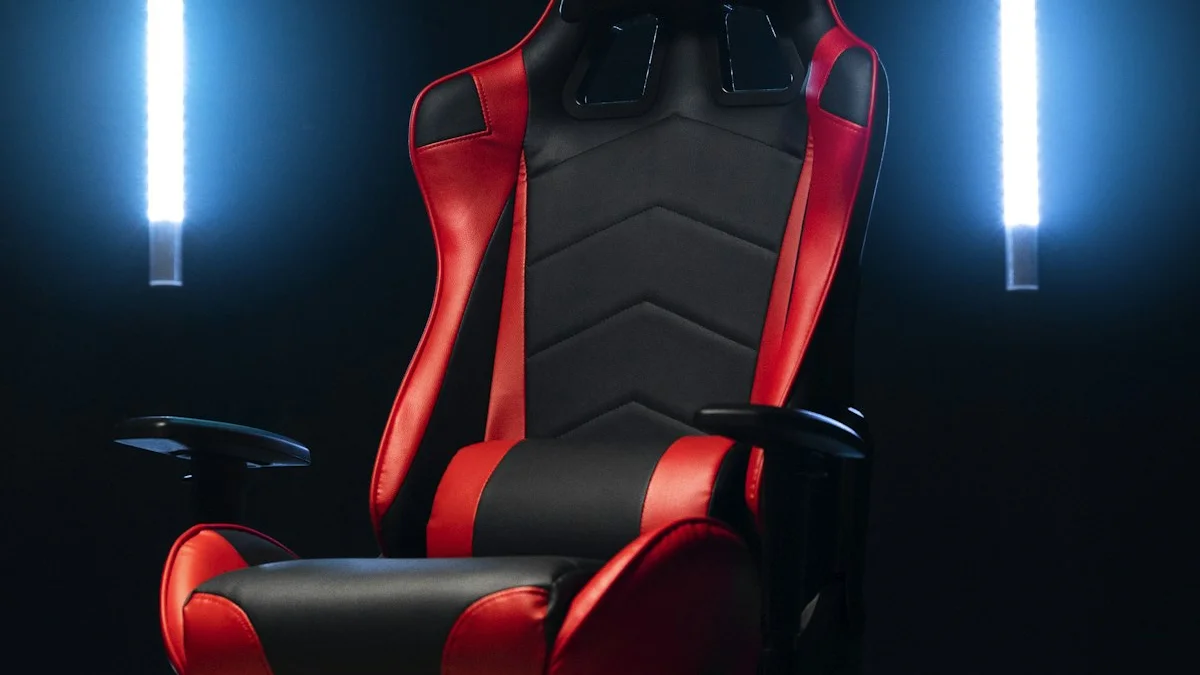
Walk into any gaming setup showcase and you’ll see the same silhouette: a bucket-style racing chair in an aggressive color scheme, high side bolsters, and a brand logo stitched into the headrest. It’s become such a visual shorthand for “gamer” that it’s easy to assume you need one to game seriously. The truth is more nuanced. What actually matters for comfort during long sessions has less to do with the racing aesthetic and much more to do with genuine ergonomic support — and in 2026, the line between “gaming chair” and “office chair” has blurred to the point where the label on the box matters far less than the adjustability underneath it.
What Your Body Actually Needs During Long Sessions
Sitting for three, four, or more hours at a stretch puts sustained load on your lower back, hips, and neck regardless of what the chair looks like. The features that genuinely reduce fatigue and prevent discomfort are lumbar support that matches the natural curve of your spine, a seat pan with enough depth and cushioning to support your thighs without cutting off circulation behind your knees, and armrests that let your shoulders relax rather than hunch. None of these things are exclusive to gaming chairs — they’re the same fundamentals that ergonomists have been designing office chairs around for decades. What matters is whether a specific chair delivers them for your specific body, since a chair that’s perfectly comfortable for someone six inches taller or shorter than you may not support you the same way at all.
Racing-Style Gaming Chairs vs Ergonomic Office-Style Chairs
Racing-style gaming chairs are built around the aesthetic and feel of motorsport bucket seats: high, wraparound backs, pronounced side bolsters that hug your torso, deep recline ranges, and often a lounge-like feel when reclined. They can be genuinely comfortable, particularly for people who like the enclosed, cocooned sensation and who use the deep recline for watching content or relaxing between matches. Their tradeoff is that the bolstering and fixed shape that make them feel supportive can also limit how precisely you can dial in fit, and cheaper versions often skimp on the padding density and lumbar mechanism that make the difference between temporary comfort and comfort that holds up over a four-hour session.
Ergonomic office-style chairs — the category that includes both dedicated “gaming” ergonomic chairs and traditional task chairs — tend to prioritize adjustability over styling. Multi-point lumbar adjustment, seat depth sliders, tension-adjustable recline, and articulating armrests are far more common on this style, letting you tune the chair to your exact proportions rather than fitting yourself to a fixed shape. For people who sit for long stretches every single day, whether gaming, working, or both, this level of adjustability generally wins out, because the ability to fine-tune support matters more over time than bolstering or visual flair. The good news is that in 2026 these categories have converged significantly, with several well-known gaming chair brands now offering models built on genuinely ergonomic frames, and several ergonomic chair makers leaning into gaming-friendly styling and recline ranges.
Adjustability Is the Real Differentiator
If there’s one spec worth prioritizing above all others, it’s adjustability, because no chair fits every body out of the box. Look for seat height range wide enough to let your feet sit flat with knees at roughly a right angle, seat depth adjustment so the front edge doesn’t press into the back of your knees, armrests that adjust in height and ideally width and pivot, and a lumbar support mechanism you can move up, down, and sometimes in firmness to match your lower back’s actual curve rather than a generic average. Recline tension adjustment matters too, since a recline mechanism that’s too loose or too stiff for your body weight undermines the whole feature. A chair with fewer adjustment points but a genuinely good baseline shape can still work well if that shape happens to suit you, but going in blind without trying to match adjustability to your body is how people end up with an expensive chair they quietly stop using.
Budget vs Premium: What You’re Actually Paying For
Budget chairs, whether gaming or office style, typically cut costs in ways that show up over time rather than immediately: thinner foam that compresses and loses support faster, simpler tilt and lumbar mechanisms with fewer adjustment points, and gas lift cylinders and casters rated for lighter use. For occasional gaming sessions or a first setup on a tight budget, a well-reviewed budget chair is a completely reasonable choice, and it beats sitting on furniture that offers no lumbar support at all. The mid-range tier, roughly the price of a decent monitor, is where you start seeing genuinely durable build quality, multi-point adjustability, and foam that holds its shape for years rather than months — this is where most people who game or work long hours find the best value.
Premium chairs add refinements like higher-grade upholstery, more sophisticated recline and tilt-lock mechanisms, better warranties, and sometimes modular components that let you swap or repair parts rather than replace the whole chair. Whether that premium is worth it depends entirely on how many hours you’re actually putting in. Someone gaming a few hours on weekends doesn’t need the same chair as someone who’s at a desk, gaming or working, for eight-plus hours a day. Be honest about your actual usage pattern before spending at the top of the market, since the marginal comfort gain from a premium chair matters most to people racking up genuinely long, frequent sessions.
So, Do You Actually Need One?
The honest answer is that you need good ergonomic support for long sessions, not necessarily a “gaming chair” specifically. If the racing aesthetic genuinely appeals to you and you find a well-built model that fits your body, there’s nothing wrong with buying one — plenty of people are perfectly comfortable in them for years. But if comfort and long-term back health are your primary goal rather than aesthetics, don’t feel obligated to shop exclusively in the gaming chair category. A well-adjusted ergonomic chair, gaming-branded or not, paired with good posture habits and regular breaks, will usually do more for your comfort during long sessions than an expensive chair chosen for its looks alone.