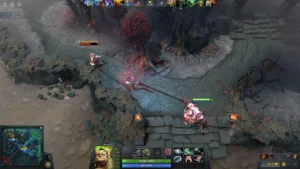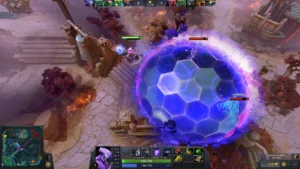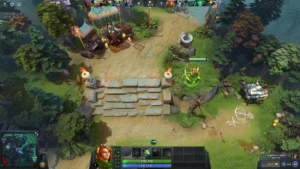
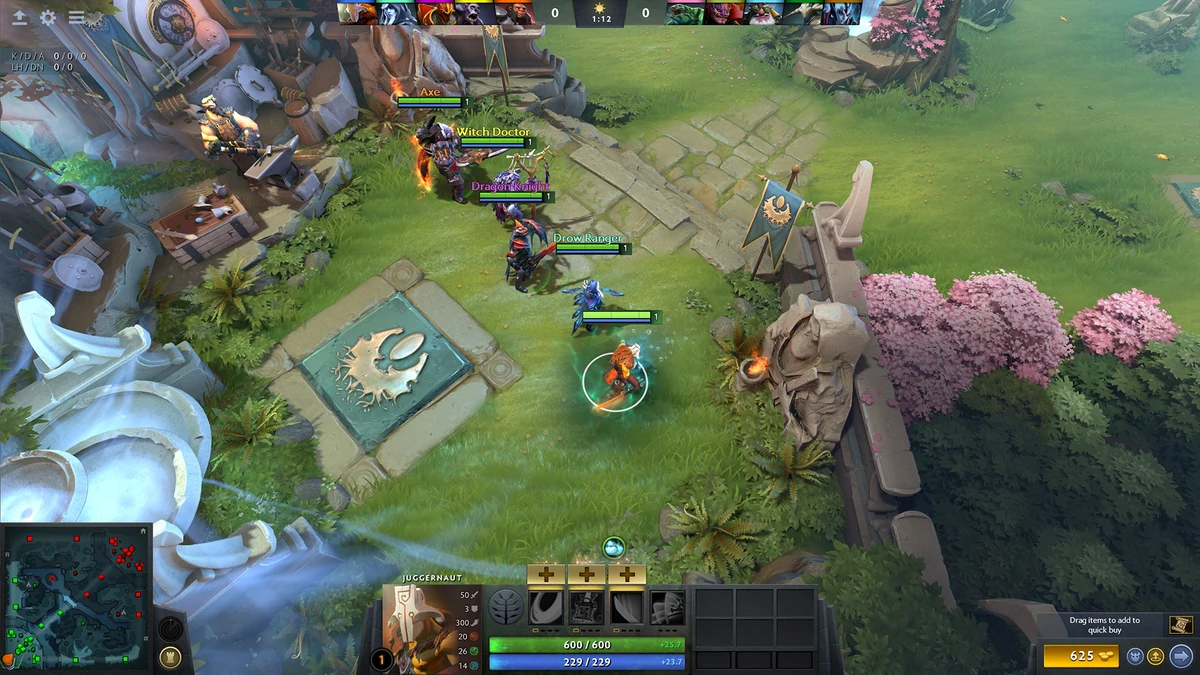
The Dota 2 shop is one of the most overwhelming screens in gaming the first time you open it — dozens of items sorted into categories, half of them with names that mean nothing until you’ve played a few dozen games. Itemization is also one of the biggest reasons Dota 2 rewards long-term learning, since a well-timed purchase can single-handedly swing a fight.
This guide covers the fundamentals: how gold and the shop actually work, what to buy in your first minute, how boots function, the broad item categories every build moves through, and how the neutral item system currently works. Pair this with our beginner’s guide for match fundamentals and our best heroes for beginners guide if you’re still building your hero pool.
How the Shop and Gold Economy Work
You earn gold passively over time, from last-hitting creeps, from killing enemy heroes, and from certain team bounties like Roshan or tormentors. The shop is accessible from anywhere on the map early in the match via the quick-buy panel, though you’ll need to be near your fountain, a shop-enabled outpost, or use a courier to actually receive purchased items later in some cases — in practice, the side shops near each lane and the secret shops in the jungle mean you’re rarely far from being able to buy something useful.
A courier, usually shared by the team or purchased individually depending on your game mode, ferries items from the base shop to your hero so you don’t have to walk back and lose farming time. Protecting your team’s courier is a small but meaningful responsibility, especially early on, since a dead courier delays everyone’s item timings.
Starting Items: What to Buy in the First 60 Seconds
Every hero should leave the fountain at the start of the game with a small kit built around survival and stat efficiency rather than raw power.
| Item Type | Examples | Why You Buy It |
|---|---|---|
| Stat items | Iron Branch, Circlet, Gauntlet of Strength | Cheap, gold-efficient stats that build into bigger items later |
| Regeneration | Tango, Healing Salve | Sustain through the laning phase without recalling to base |
| Mana sustain | Clarity | Keeps mana-hungry heroes casting spells in lane |
| Vision | Observer Ward | Early warning for ganks, especially important for supports |
| Utility | Town Portal Scroll | Instant travel back to lane or to defend; nearly every hero buys these all game |
Iron Branches deserve special mention: at a low gold cost for +1 to all stats, they’re widely considered the most gold-efficient item in the game, and filling extra starting slots with them is a longstanding, still-correct habit for every role.
Consumables You Should Always Carry
Beyond your opening buy, a few consumables are worth restocking constantly throughout the match: Tangoes and Healing Salves for health, Clarities for mana, Smoke of Deceit for sneaking past enemy vision on a rotation, and Town Portal Scrolls, which you should almost never run out of. None of these are optional luxuries — running out of consumables mid-fight is one of the most common, avoidable reasons new players lose winnable situations.
Boots: The First Real Decision
After your starting kit, boots are typically the first meaningful item choice you’ll make, usually once you’ve got a few hundred gold. Which boots you buy depends heavily on your hero and role.
| Boots | Best For | What They Do |
|---|---|---|
| Power Treads | Farming carries | Bonus attack speed plus a stat you can switch on the fly |
| Phase Boots | Damage-dealing melee heroes and gankers | Movement speed burst and bonus damage, great for chasing or engaging |
| Arcane Boots | Mana-hungry casters and supports | Extra mana plus a team mana restore when activated |
| Guardian Greaves | Support-oriented team fighters | Upgraded team healing and mana restore, built later from Arcane Boots |
| Boots of Travel | Farming cores in the mid-to-late game | Global teleport and bonus movement speed, replacing your Town Portal Scroll slot |
A common early mistake is rushing boots before your basic stat items — in most games, filling out your starting kit fully and getting your first few hundred gold from last hits comes first, and boots follow shortly after rather than being the very first purchase.
Core Item Categories Explained
Once boots are sorted, a typical item build moves through a logical progression rather than a random shopping list:
- Early sustain and utility — regeneration, wards, and cheap stat items that keep you alive and useful through the laning phase.
- Mobility — boots and movement items that let you rotate, gank, or escape more effectively.
- Farming acceleration — items that speed up how quickly you accumulate gold, especially important for carries and midlaners.
- Fighting items — the point where your build starts actively winning team fights, through damage, disables, or defensive actives.
- Luxury items — expensive, game-changing purchases reserved for a clear late-game lead.
- Late-game consumables — high-value throwaway items like Buyback gold reserves, Aegis, and Divine Rapiers that only make sense once the game has gone long.
Not every hero or every game reaches the luxury tier — plenty of matches end in the fighting-items phase, and that’s completely normal.
Neutral Items and the Madstone System
Neutral items are a separate progression track earned entirely from clearing neutral creep camps in the jungle, and the system was significantly reworked in the current patch cycle. Clearing a neutral camp now drops a resource called Madstone, awarding charges to the hero who landed the kill and a smaller amount to a random teammate. Collecting enough Madstone unlocks the ability to craft a neutral item by picking one artifact (an active ability or spell effect) and pairing it with one enchantment (a stat-focused bonus tied to your hero’s primary attribute).
Neutral items unlock in five tiers as the game progresses, with each new tier becoming available at set time thresholds and offering stronger effects than the last. Because Madstone rewards are partly shared with teammates, it’s worth clearing camps even if you’re not the one who benefits most from a given tier — someone on your team almost always will.
Itemization Philosophy by Role
Carries (Position 1 and 2)
Prioritize farming speed and stat efficiency first, then pivot into fighting items once you’ve hit a critical mass of gold. Boots of Travel and a core damage item are usually the benchmark that signals you’re ready to start taking fights instead of avoiding them.
Offlaners (Position 3)
Durability first. Armor, health, and disables that let you survive being focused matter more than raw damage, since your job is often to enable fights rather than win them solo.
Supports (Position 4 and 5)
Vision and team utility outweigh personal power items for most of the game. Wards, smokes, and team-facing actives like Guardian Greaves or Force Staff typically come before anything built purely around your own stats.
Simple Rules That Prevent Bad Purchases
- Never sit on idle gold for too long. Unspent gold does nothing for you; even a cheap Iron Branch or ward is better than gold sitting in your pocket.
- Match your boots to your role, not whatever looks strongest in a guide you half-remember.
- Buy Town Portal Scrolls in bulk early so you never get caught without one.
- Check the enemy team’s items before big fights — itemizing blind against a team stacked with magic damage or physical burst is a common way to lose fights you should win.
- Don’t skip consumables to save gold for a luxury item. Dying because you didn’t buy a Salve costs you far more than the gold you saved.
Frequently Asked Questions
Q: What’s the single most important early item in Dota 2? There’s no single universal answer, but boots matched correctly to your hero’s role are close to it — they’re the first purchase that meaningfully changes how your hero plays.
Q: How do neutral items work if I’m not the one who kills the camp? The current Madstone system awards charges to the hero who lands the kill and a smaller share to a random teammate, so the whole team benefits from clearing neutral camps, not just whoever’s farming the jungle.
Q: Should supports buy items for themselves or only for the team? Both, just in that order of priority. Team items like wards and Guardian Greaves generally come first, but supports still need core survivability items to stay useful in the late game.
Q: What happens if I never buy Town Portal Scrolls? You lose the ability to instantly return to defend your base or rejoin your team, which is one of the most common and avoidable reasons new players lose otherwise winnable games.
Q: Do I need to memorize every item in the shop? No. Learn the core progression for your role first — starting items, boots, one or two core items — and expand your knowledge naturally as you see what other players build against you.
The Bottom Line
Good itemization in Dota 2 isn’t about memorizing every item in the shop on day one — it’s about understanding the logic behind the progression: sustain, then mobility, then power, matched to your role and what the enemy team is doing. Start with the fundamentals in this guide, pair them with the beginner-friendly heroes and match knowledge covered across our beginner’s guide and best heroes for beginners guide, and the rest builds naturally with reps. For everything else Dota 2, our complete Dota 2 guide is the best place to keep exploring.