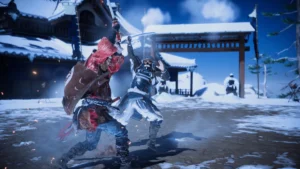
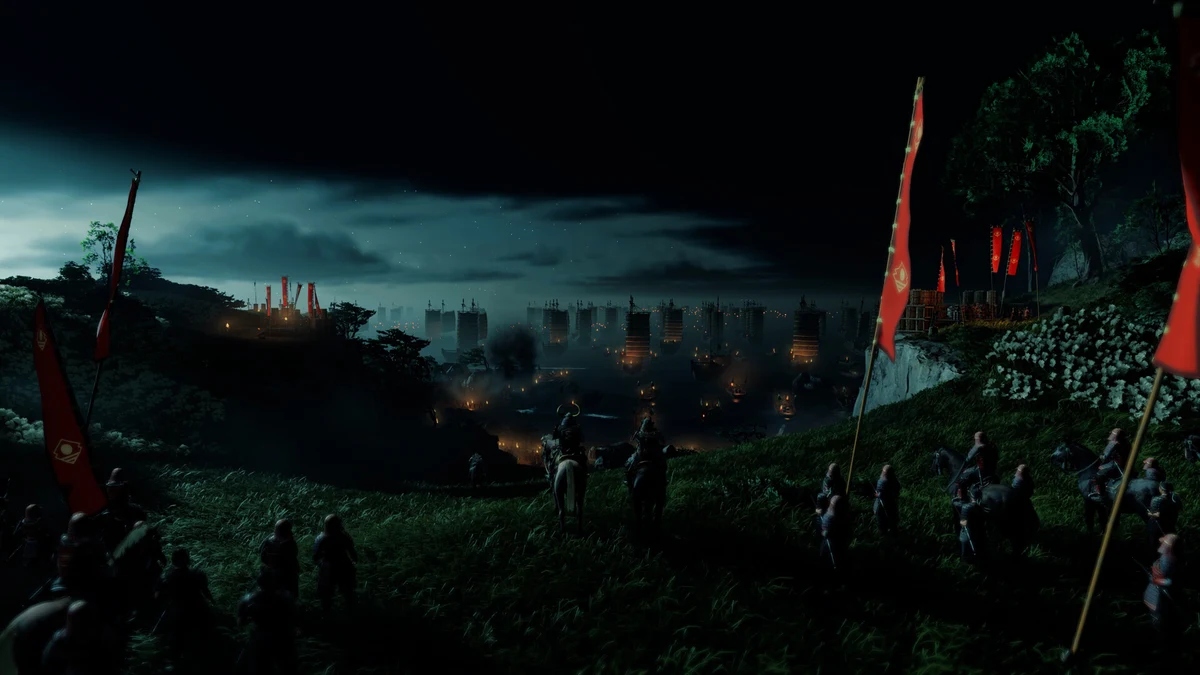
Ghost of Tsushima: Legends is the game’s separate multiplayer mode, built by Sucker Punch as a cooperative and competitive companion to Jin Sakai’s single-player story rather than an extension of it. Set in a mythologized version of Tsushima full of demons and folklore rather than the grounded historical setting of the main campaign, Legends lets up to four players team up as one of four distinct classes across several game modes. It later received a standalone, free-to-play release on September 3, 2021, alongside a new competitive Rivals mode, making it accessible without owning the base game. This guide covers the four classes and the different modes Legends offers, from wave-based Survival to the story-driven co-op arc, along with tips for putting together a well-rounded squad.
The Four Playable Classes
Every class in Legends comes equipped with a primary weapon, a ranged weapon, two pieces of unique gear, two abilities, and one ultimate, and each is built around a different way of engaging enemies.
The Samurai is the most traditional and balanced class, wielding a katana as its primary weapon. Its abilities are Spirit Pull, which drains health from surrounding enemies, and Explosive Blade, which boosts sword damage, backed by the ultimate Hachiman’s Fury. It is generally considered the most straightforward class to pick up for players new to Legends, since its kit rewards direct engagement without requiring precise positioning the way some of the other classes do.
The Assassin shares the katana and half-bow with the Samurai but adds kunai and caltrops to its kit, leaning into stealth and burst damage. Toxic Vanish lets the Assassin disappear into a cloud of poison gas that staggers nearby enemies, Group Vanish extends that same disappearing act to nearby teammates, and the ultimate, Shadow Strike, allows the Assassin to chain up to three assassinations at once from a distance for a cost of three Resolve. This makes the Assassin especially strong at removing dangerous ranged enemies or spellcasters before they can disrupt the rest of the squad.
The Hunter is Legends’ dedicated ranged class, built around bow play. Its ultimate, Eye of Uchitsune, grants three guaranteed headshots, while its abilities include Staggering Arrow, which can stun multiple enemies standing close together, and Piercing Arrows, which arm the Hunter with shield-piercing shots for cutting through heavily defended enemies. A Hunter who plays from elevated ground or a defensible chokepoint can control an entire wave of enemies before they ever reach the rest of the team.
The Ronin is the closest thing Legends has to a support class, and it stands out in a few specific ways: it is the only class that can revive downed allies through its ability, Breath of Izanami, the only class with access to the bomb pack without needing an additional perk, and the only class able to boost its own Ghost weapon damage through its ability tree. This makes the Ronin a strong pick for squads that want a dedicated backline presence alongside three more aggressive classes, and experienced groups often keep one Ronin on hand purely for its revive utility during harder Survival waves and the Tale of Iyo raid.
Survival Mode: The Core Co-op Experience
Survival is Legends’ standard wave-based mode, tasking up to four players with holding objective points across a variety of maps against Mongol forces and supernatural enemies that grow more overwhelming with each wave. It is the mode most players spend the bulk of their time in, since it directly rewards the gear, cosmetics, and progression that carry over into every other mode in Legends. Survival maps also scale in difficulty, so newer squads can start on easier tiers to learn enemy patterns before attempting the higher-difficulty variants that better rewards are tied to.
Story Mode: A Dedicated Co-op Narrative
Story mode is built specifically for two players and unfolds across a nine-episode arc with its own narrative, separate from both the main Ghost of Tsushima campaign and Survival mode’s wave structure. It introduces mechanics unique to that storyline and is worth playing through with a regular co-op partner rather than jumping in solo, since it is tuned around a two-player party and paces its difficulty and objectives around that duo dynamic rather than a full four-person squad.
Raid Mode: The Tale of Iyo
For players who have leveled up their Ki and want an endgame challenge, Legends offers a three-chapter raid called The Tale of Iyo, which follows Iyo as she seeks revenge on Tsushima and the Ghost. The raid is designed for a full four-player squad and is recommended for players who have reached a Ki level of around 100, reflecting its position as the toughest structured content in Legends outside of the highest Survival difficulties. Each of the three chapters can typically be tackled separately, which makes it easier for a squad to work through the raid across multiple sessions rather than needing to clear it all in one sitting.
Rivals Mode: Competitive Head-to-Head Play
Rivals arrived as part of Legends’ standalone, free-to-play relaunch on September 3, 2021, and introduced a competitive twist to the otherwise cooperative mode. Two teams of two players each enter their own identical gauntlet rather than sharing a single arena, clearing waves of enemies to build up a resource called Magatama. That Magatama can then be spent on tools that either buff your own team or actively debuff the opposing team, including curses and siege weapons like hwachas, turning what looks like a straightforward horde mode into a back-and-forth race against a rival squad you never directly see but are constantly competing against.
Choosing a Class for Your Playstyle
New squads often do best pairing a Samurai or Ronin as the more durable, sustain-focused members of the team with a Hunter for ranged crowd control and an Assassin for picking off isolated or high-priority targets. Because gear, cosmetics, and progression in Legends are entirely separate from single-player armor and charms, there is no need to have finished Jin’s story to jump into Legends effectively, though players curious about how the mode’s folklore-inspired enemies relate to the wider setting may want to check out our complete Ghost of Tsushima guide for background on the game’s world and lore.
Getting Started With Legends Today
Since Legends became a standalone free release, it can be downloaded and played without purchasing the full game, making it one of the more accessible ways to experience Ghost of Tsushima’s combat systems in a cooperative setting. New players should start in Survival mode to learn their chosen class’s ability rotation and gear progression before moving into Story mode for its dedicated narrative, and only attempt the Tale of Iyo raid once Ki level and squad coordination are high enough to handle its three-chapter difficulty curve. Rivals is worth trying once you are comfortable with your class’s core kit, since its resource-based team battles reward game knowledge and coordination more than raw gear score, and communicating with a coordinated squad matters far more than in Survival’s more forgiving wave structure. Squads that stick together, mixing at least one Ronin or Samurai with a Hunter and an Assassin, tend to clear higher Survival difficulties and the Tale of Iyo raid far more consistently than groups that stack multiple copies of the same aggressive class.