
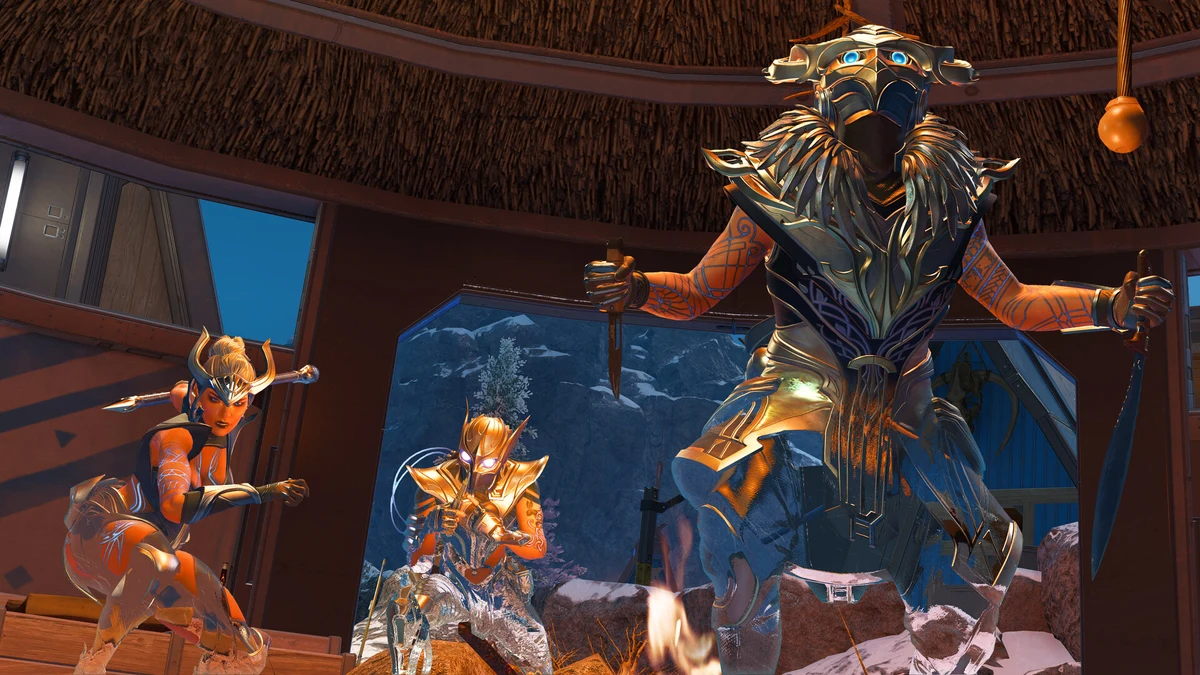
Apex Legends can feel like a lot at once when you first drop in. There’s a roster of 27 playable Legends, a ping system instead of forced voice chat, movement tech that looks impossible in clips, and a match structure that punishes hesitation just as often as it punishes recklessness. The good news is that the core loop is simpler than it looks, and you don’t need tap-strafes or perfect aim to start winning fights in your first week. This guide breaks down exactly what a new player needs to understand — movement, communication, squad roles, and match flow — so you can stop feeling lost and start making good decisions. For the full picture of everything Apex Legends covers right now, from ranked to events, our complete Apex Legends guide is the best place to go deeper once you’ve got the fundamentals down.
What Kind of Game Is Apex Legends, Exactly?
Apex Legends is a free-to-play battle royale built on Titanfall’s movement engine, which is the single biggest thing that separates it from other shooters in the genre. Squads of three (or duos and solos in limited-time modes) drop onto a map, loot weapons and gear, and fight to be the last team standing as a shrinking ring forces everyone closer together. What makes it distinct is the character layer: every Legend has a tactical ability, a passive, and an ultimate, which means fights aren’t decided by aim alone. Positioning, ability usage, and squad coordination matter just as much as your crosshair placement.
Core Movement Tech Every New Player Should Know
You don’t need to master advanced movement tech to be effective, but understanding the basics will make you noticeably harder to hit and let you rotate faster than players standing still.
- Sliding — Crouch while moving to slide, which is faster than walking and makes you a harder target. Sliding down any slope builds momentum, so look for terrain to slide through rather than run across.
- Slide-jumping — Jump out of a slide to preserve some of that momentum in the air. It’s not as flashy as tap-strafing, but it’s the single most useful movement habit to build early, since it works in almost any fight.
- Mantling and climbing — Apex lets you climb most vertical surfaces by holding the jump input against a wall or ledge. Use this to take unexpected angles or escape a bad fight by going somewhere a ground-bound enemy can’t follow quickly.
- Sprinting toward cover, not away from it — New players often panic-run in a straight line when they take damage. Always be moving toward the next piece of cover, not just away from the last shot.
- Tap-strafing and wall-bouncing — These are the advanced techniques you see in highlight clips, involving precise directional inputs mid-air to change trajectory. They’re genuinely difficult and not something to worry about until you’ve got the basics locked in. Focus on slides and mantling first; the fancier tech will come with time if you want it.
The Ping System: Communicate Without a Mic
One of Apex Legends’ most underrated design choices is its ping system, called the Smart Comms system. A single button press lets you mark enemies, loot, locations, and intentions with contextual callouts your squad can hear and see on-screen — no microphone required.
Here’s what you can do with it:
| Ping Action | What It Does |
|---|---|
| Ping an enemy | Marks their location for your whole squad and calls out their approximate distance |
| Ping a weapon or item | Suggests it to a teammate; a second ping on the same item calls “I need this” |
| Ping a location | Marks a spot on the map as a rotation or landing suggestion |
| Double-tap ping (enemy) | Flags “enemy nearby” as a general area warning |
| Ping while looking at your inventory | Requests specific ammo or attachment types from teammates |
Get in the habit of pinging loot you don’t need and enemies the moment you see them. Even in a full voice-chat squad, pings are faster and more precise than saying “over there by the rock” — and if you ever land with strangers, competent pinging is what separates a squad that can function from one that can’t.
How a Match Actually Flows
Every Apex Legends match follows a predictable rhythm once you recognize it, which makes decision-making a lot easier.
- Legend select and jumpmaster. One player on your squad becomes jumpmaster and controls the drop path from the dropship. Anyone can peel off toward their own landing spot, but sticking together early is almost always the safer call for new players.
- Drop and loot. The first couple of minutes are about gearing up — weapons, shields, ammo, and healing items. Don’t linger in one building if it’s picked clean; keep moving toward unlooted areas.
- Early rotations. The ring starts shrinking a few minutes in. Check the map regularly and start moving toward the safe zone before you’re forced to sprint through damage.
- Mid-game fights. This is where most squads get eliminated — third-partied while already fighting another team, or caught out in the open during a rotation. Fight when you have an advantage, not just because you can see an enemy.
- Endgame. The ring shrinks to a small, chaotic final area. Positioning and high ground matter enormously here; fights are fast and often decided by who has to push through open space first.
Squad Play Fundamentals
Apex Legends is built around three-player squads, and understanding a few core habits will make you a better teammate immediately, even before you’ve mastered any Legend’s kit.
- Stay within earshot of your team. Splitting up to loot faster sounds efficient until one of you gets caught alone. A good rule for beginners: never be more than a few seconds of running from a teammate.
- Know the knockdown and respawn system. Downed teammates can be revived on the spot if it’s safe, or picked up as a “banner” and respawned at a Respawn Beacon if they’re fully eliminated. Grabbing a banner and getting to a beacon quickly is often more valuable than trying to win a fight you’re losing.
- Communicate your ability cooldowns. If your support Legend’s healing ability is down, say so. Squads that track each other’s cooldowns make much better fight decisions than squads that don’t.
- Pick a rough role and stick to it. You don’t need a rigid strategy, but having one player lean into information-gathering, one into front-line engagement, and one into support keeps a squad from all doing the same thing at once. If you’re not sure which Legends fit which role, our guide to the best Legends for beginners breaks down a few easy options across every class.
Tips for New Players
A few habits will speed up your learning curve more than anything else:
- Play a lot of matches focused on survival, not kills. Placement counts for a lot, and simply surviving longer teaches you map knowledge and ring awareness faster than aggressive play does.
- Loot with a plan. Grab a weapon of two different ammo types, a shield, and at least one healing item before worrying about attachments or a second weapon.
- Don’t fight every squad you see. If two other teams are already fighting, it’s usually smarter to let them wear each other down than to jump into a three-way fight.
- Use the firing range. It’s the best place to test a Legend’s abilities and get a feel for weapon recoil without any pressure.
- Watch the kill feed and ring timer. Both give you free information about where fights are happening and how much time you have before you need to move.
Once movement, pinging, and match flow start feeling natural, the next logical steps are picking a Legend that fits your playstyle and getting comfortable with the current weapon meta — both of which we cover in detail in our guide to the best weapons and loadouts and our breakdown of beginner-friendly Legends.
Frequently Asked Questions
Q: Do I need a microphone to play Apex Legends well? No. The ping system is genuinely robust enough to coordinate full squads without voice chat. Plenty of high-level players still ping constantly even when they are on comms, because it’s faster and gives exact information.
Q: How long does a typical match last? Most matches run somewhere between 15 and 25 minutes from drop to the final ring, though early eliminations obviously end your match sooner.
Q: Should I play solo queue or with friends as a beginner? Either works, but playing with at least one experienced friend early on will speed up your learning significantly. If you’re solo queueing, lean on the ping system heavily since your teammates will be strangers.
Q: What’s the fastest way to get better at aiming? Spend time in the firing range adjusting your sensitivity until tracking feels natural, then prioritize close and medium-range fights in real matches, since those come up far more often than long-range sniper duels.
Q: Is Apex Legends free to play? Yes, Apex Legends is completely free on all platforms. Legends, weapons, and maps are all accessible without spending money; cosmetic items and Battle Passes are optional purchases that don’t affect gameplay.
The Bottom Line
Nobody drops into their first Apex match and immediately understands ring timing, ability cooldowns, and squad positioning — it all clicks with reps. Focus on the fundamentals covered here: move with purpose, ping constantly, stick near your squad, and prioritize survival over kills while you’re learning. Once the basics feel comfortable, our complete Apex Legends guide covers everything else the game has to offer, from ranked play to the wider Legend roster.