Choosing the right car is one of the first big decisions a new player makes in Forza Horizon 5, and it shapes how quickly you feel comfortable behind the wheel. Some cars forgive mistakes and teach good habits, while others punish small errors and make learning frustrating. This guide walks through the best options for beginners, the most reliable all-rounders, and the cars worth picking up once you want to start drifting or building toward more serious racing setups.
What Makes a Car Beginner Friendly in Forza Horizon 5
A beginner-friendly car is not necessarily the fastest one available, it is the one that communicates clearly and does not snap into a spin the moment you brake late or turn in too sharply. Balanced weight distribution, predictable throttle response, and moderate power are more valuable early on than raw top speed. All-wheel-drive cars tend to be more forgiving because they put power down more evenly, which is useful while you are still learning racing lines and braking points, while rear-wheel-drive cars demand more precision but teach throttle control and weight transfer that pays off later. Price also matters, since a beginner does not want to sink their entire starting credit balance into one car before they know what kind of racing they enjoy.
Best Starter Cars Under 50,000 Credits
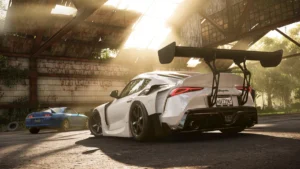
The Toyota GR Supra is widely regarded as one of the best early picks because it is a balanced, well-handling sports car with a top speed of around 176 mph and a 0-60 mph time of about 5.3 seconds, making it capable on the street and forgiving enough for new drivers to learn drifting and cornering on. Once you have built up some credits, the Mazda RX-7 Spirit R from 1995 is another strong choice, offering great handling that suits street races without a steep learning curve. For players who want raw stats without overspending, the Ford Mustang GT offers some of the best performance numbers available in the sub-50,000 credit range, making it a satisfying muscle car option for straight-line confidence and general open-world driving.
Best All-Rounder and Rally Cars for New Players
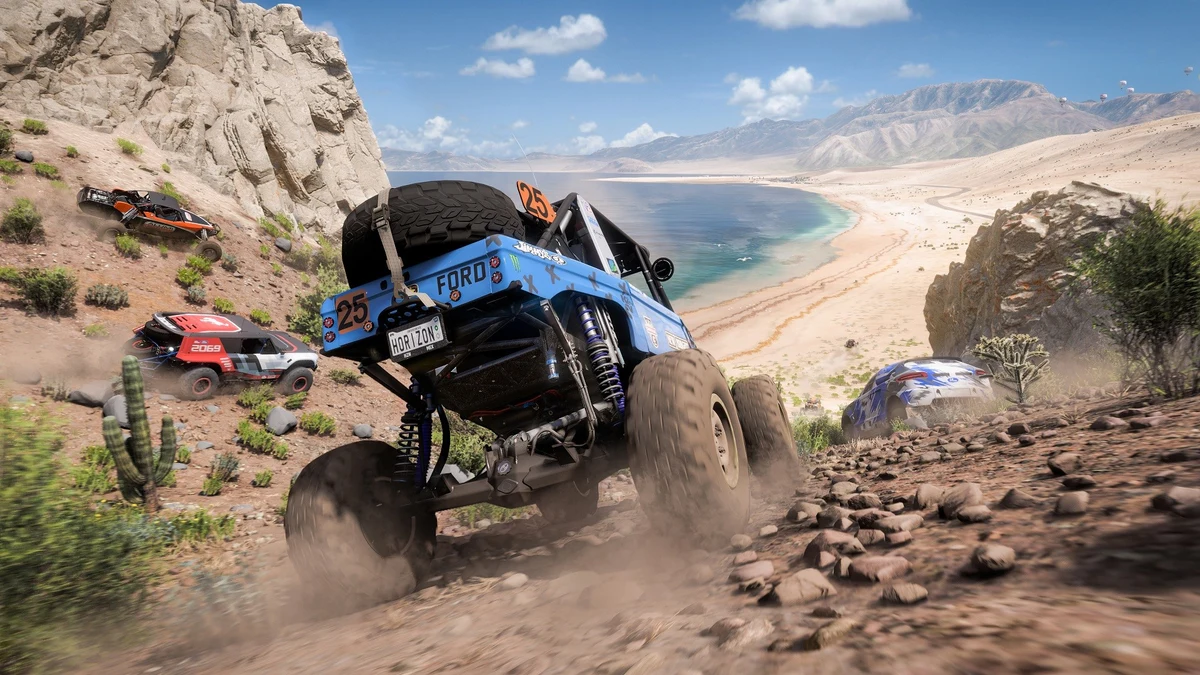
Mexico’s mix of tarmac, gravel, and dirt roads rewards cars that can handle multiple surfaces without a full rebuild. The Ford Focus RS stands out as an all-rounder that handles gravel, tarmac, and dirt with ease, and its front-wheel-drive configuration makes it a stable, forgiving choice while you are still learning throttle control on loose surfaces. For dedicated off-road and rally driving, the Subaru Impreza WRX STI from 2005 is an affordable, capable pick for rally-style racing, and the Ford Escort RS Cosworth from 1992 is a classic rally car that performs well off-road while still being budget-friendly for a new player’s garage.
Best Drift Cars for Learning the Basics
Drifting rewards a different skill set than circuit racing, and starting with the right car makes the learning curve far less painful. The Mazda RX-7 from 1997 is one of the best beginner-friendly drift picks thanks to its lightweight chassis and roughly 50-50 weight distribution, which makes the car predictable when you break traction. The Datsun 510 is another strong entry point, priced around 25,000 credits and lacking outright speed, which actually works in your favor because it gives you more time to practice entry and exit through a corner without being overwhelmed. The Nissan Fairlady Z rounds out the beginner drift shortlist as a cheap, forgiving car that will not set any speed records but slides smoothly and consistently once you start practicing.
Building Your First Drift Tune
Rear-wheel-drive cars are generally recommended for learning to drift because they teach throttle control, weight transfer, and countersteering more directly than all-wheel-drive builds, which can mask mistakes rather than correct them. Once you have picked a car, resist the urge to chase maximum horsepower right away. Beginners are better off spending early credits on Weight Reduction, Anti-Roll Bars, and Chassis Reinforcement, since these upgrades improve how responsive the chassis feels when the car is sideways, which matters far more than outright power when you are still learning the fundamentals. Save power upgrades for once your drift technique is consistent.
Transitioning to Racing Builds: Class and PI Considerations
As you move from casual driving into more competitive racing, understanding Performance Index classes becomes important. Every event in Forza Horizon 5 has a class or PI cap, and building a car right at the top of a class, rather than significantly under it, generally gives the best results. A common piece of advice for new racers is to avoid jumping straight to the highest classes like Class X, since a clean, well-tuned A-Class or S1-Class build often scores more consistently than an overpowered car that is difficult to control at the limit. Building up gradually through the classes also gives you a chance to learn how different tire compounds, gearing, and aero settings interact before you are managing the extreme power levels of top-tier builds.
Common Mistakes New Players Make With Car Choice
The most frequent mistake is picking a car based on its badge or in-game rarity rather than how it actually drives. A visually impressive hypercar with a twitchy throttle and minimal grip will teach far worse habits than a modest, well-balanced sports car. Another common error is over-upgrading a car’s engine before addressing its handling, which results in a build that is fast in a straight line but unmanageable in corners. Finally, many new players avoid trying different disciplines, sticking only to street racing when a few hours with a rally car on dirt or a drift-tuned RX-7 on a canyon road can teach cornering and car control skills that carry over to every other style of racing.
Where to Find and Unlock New Cars
Beyond the cars available to purchase directly from the in-game Autoshow, Forza Horizon 5 hands out vehicles through several other channels worth keeping an eye on as a new player. Wheelspins and Super Wheelspins, earned through leveling up and completing activities, can reward cars you have not unlocked for purchase yet, sometimes well above what you could otherwise afford early on. Barn Finds scattered around the map reward exploration with unique, often rare vehicles that come with their own short backstory once restored. The Auction House also lets players buy and sell cars directly with each other using in-game credits, which can be a faster way to pick up a specific car than waiting for it to appear in the rotating Autoshow listings. Checking these sources regularly, rather than relying solely on the Autoshow, is the fastest way to build a varied garage without overspending.
Matching Car Choice to Your Playstyle
Ultimately, the best car for you depends on what kind of racing you enjoy most, and Forza Horizon 5 is flexible enough to reward almost any approach. Players who enjoy technical circuit racing should prioritize balanced handling and consistent braking over outright top speed, while players drawn to the open-world exploration side of the game may prefer an all-rounder like the Focus RS that can tackle any surface without a garage full of specialized builds. Drifting rewards patience and a willingness to fail repeatedly while learning car control, so starting with a cheap, forgiving car like the Datsun 510 removes the pressure of wrecking an expensive vehicle while you experiment. Whatever direction you lean, it is worth keeping at least one car from each major category, a street car, an off-road or rally car, and a drift car, so you always have the right tool on hand when a new event or challenge calls for it.
For a full breakdown of car classes, unlocking new vehicles, and the wider progression system, check out our complete Forza Horizon 5 guide.