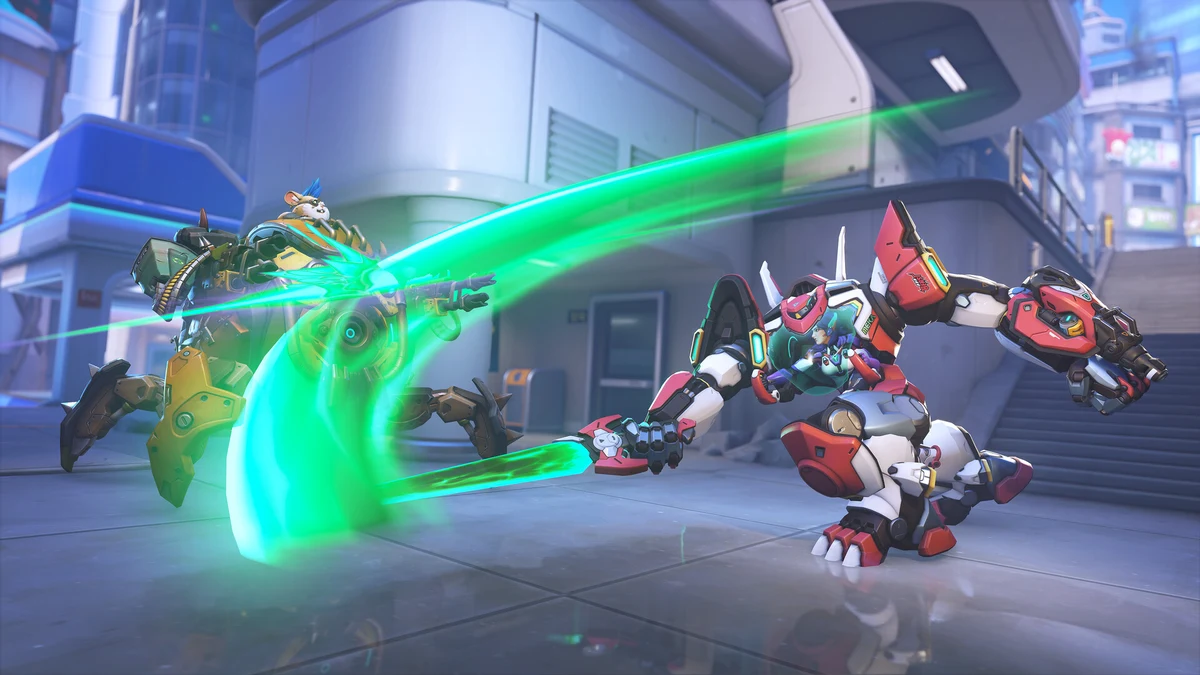
Overwatch has quietly become one of the most-discussed comeback stories in live-service gaming. After years of criticism following the launch of Overwatch 2 in 2022, Blizzard dropped the “2” from the title in 2026 as part of a soft reboot, and the shooter is arguably in the best competitive and content state it’s been in since the original game’s 2016 peak. That doesn’t mean the conversation around it has gotten any less complicated.
Where Overwatch Stands Today
The core moment-to-moment gameplay, hero-versus-hero team fights built around ultimates, cooldown management, and constant positioning, remains as sharp as ever, and Blizzard has kept the update cadence aggressive. Reviewers picking the game back up after a long break have generally come away impressed with how much friction has been sanded off: matchmaking feels more consistent, new player onboarding has improved, and the seasonal content cycle gives the game a rhythm that was missing for long stretches of the Overwatch 2 era.
Steam reviews for the game currently sit at a mixed rating, and reading through them tells you exactly why: the gameplay itself rarely gets criticized. Almost every negative review is about something adjacent to it.
The Hero Roster in 2026
The roster has grown to 51 heroes, with Sierra as the most recent addition alongside earlier 2026 releases like Domina, Emre, Mizuki, and Jetpack Cat. Since Season 10, every new hero has been unlockable for free during their debut season, which addresses one of the loudest complaints from the game’s rockier years, when new heroes were gated behind premium battle pass progression. If you stopped playing three or four years ago, expect a roster that looks almost unrecognizable.
The Monetization Problem
This is where the harshest reviews concentrate. Overwatch remains free-to-play, but a Premium Battle Pass runs around 1,000 Overwatch Coins per season (roughly $9.99), and a single top-tier “ultra” skin can run as high as $35. For a decade-old franchise built on aggressively pursued cosmetic revenue, the pricing has crept upward in a way that a meaningful chunk of the player base finds hard to defend, even when they enjoy the core game underneath it.
Who Should Jump Back In
Overwatch is rated T for Teen by the ESRB for blood, mild language, and violence, and it’s available across PC and consoles including PlayStation, Xbox, and Switch. If your last memory of the game is the launch controversy of Overwatch 2, it’s genuinely worth a second look purely on gameplay merit; the shooting, the hero kit design, and the pacing are as good as they’ve ever been. Just go in knowing the store front hasn’t gotten any friendlier, and budget your expectations around cosmetics accordingly.
[…] Overwatch in 2026: Is the Comeback Real? (ESRB T) SPRAWL Zero: A First Look at the Retro Cyberpunk FPS Everyone's Watching How to Find Real Deals on Gaming Peripherals Does Antivirus Slow Down Your FPS? What Actually Happens […]